
Bamboo Barrier: A Green Solution to Landslides on Gap Road

Landslides have been a persistent threat to the Gap Road stretch, posing significant risks to both human life and property. In a promising development, the Assembly Committee on Environment has directed the concerned departments and the National Highways Authority of India (NHAI) to explore a nature-based solution: planting bamboo along the vulnerable areas. This innovative proposal aims to prevent future landslides while simultaneously addressing the food security concerns of elephants in the region. The Problem: Landslides on Gap Road Gap Road, notorious for its susceptibility to landslides, has been a cause for concern for years. The road’s location, coupled with the region’s geological conditions, makes it particularly vulnerable to soil erosion and slope instability. Landslides on this stretch have led to loss of life, property damage, and disruptions in transportation, impacting the lives of countless people. The Bamboo Solution: A Green Shield The proposed plan to plant bamboo along the Gap Road stretch is a commendable step towards mitigating the landslide risk. Bamboo, known for its robust root system, has the potential to reinforce the soil and prevent erosion. The deep penetration of bamboo roots into the soil can significantly enhance the soil’s stability, acting as a natural barrier against landslides. Moreover, the initiative extends beyond landslide prevention. By introducing bamboo and reed bamboo, the project aims to create a sustainable food source for elephants in the region. This dual benefit underscores the holistic approach of the proposal. A Collaborative Effort The successful implementation of this project requires a collaborative effort involving multiple stakeholders. The Forest Department, with its expertise in ecology and wildlife conservation, will play a crucial role in identifying suitable bamboo species and ensuring their proper cultivation. The Social Forestry wing can contribute to the project by providing technical guidance and support. The Kerala State Biodiversity Board’s role will be vital in assessing the environmental impact and ensuring the project aligns with biodiversity conservation goals. NHAI’s involvement is essential for the execution of the project along the road stretch. Scientific Study and Implementation Before embarking on a large-scale plantation, NHAI will conduct a comprehensive scientific study to evaluate the feasibility and effectiveness of the bamboo barrier. This study will involve soil analysis, slope stability assessment, and identification of suitable bamboo species. Once the study yields positive results, a detailed project plan will be formulated, outlining the plantation areas, the required quantity of bamboo saplings, and the timeline for implementation. Benefits Beyond Landslide Prevention The bamboo plantation project offers several additional benefits: Challenges and Considerations While the bamboo plantation project holds immense promise, it is essential to address potential challenges and considerations: Conclusion The proposal to plant bamboo along the Gap Road stretch is a visionary step towards addressing the landslide problem while contributing to ecological restoration and community development. By combining scientific expertise, collaborative efforts, and community participation, this project can become a model for sustainable land management and disaster risk reduction. As the project progresses, it is essential to monitor its impact closely and make necessary adjustments to ensure its long-term success.
Bamboo Plantations: A Green Gold Rush Against Climate Change

The world is grappling with the pressing issue of climate change. As the impacts of global warming become increasingly evident, the need for sustainable solutions has never been more critical. One such solution lies in the cultivation of bamboo, a remarkable plant often hailed as “green gold.” This blog post delves into the myriad benefits of bamboo plantations, exploring how they can contribute to mitigating climate change, bolstering economic growth, and preserving our planet for future generations. Bamboo: Nature’s Climate Change Champion Bamboo, a fast-growing grass, possesses exceptional qualities that make it a formidable ally in the fight against climate change. Its rapid growth rate is unparalleled, with some species capable of reaching maturity within a few months. This rapid growth translates into an extraordinary carbon sequestration capacity. Bamboo absorbs carbon dioxide from the atmosphere at a significantly higher rate than many trees, helping to reduce greenhouse gas emissions. Beyond carbon sequestration, bamboo plays a crucial role in soil conservation. Its extensive root system binds the soil together, preventing erosion and preserving precious topsoil. This is particularly important in regions prone to deforestation and landslides, where bamboo can help stabilize vulnerable ecosystems. Additionally, bamboo plantations contribute to water conservation by reducing runoff and improving water infiltration. A Versatile Resource with Endless Possibilities Bamboo’s versatility is another key factor driving its potential as a sustainable solution. It is a renewable resource that can be used in a wide range of applications, from construction and furniture to textiles and paper. By substituting traditional materials with bamboo, we can reduce our reliance on non-renewable resources and minimize environmental impact. One of the most promising applications of bamboo lies in the construction industry. Bamboo-based building materials offer a sustainable and cost-effective alternative to conventional materials such as steel and concrete. Bamboo structures are known for their strength, durability, and earthquake resistance. Moreover, the production of bamboo building materials generates fewer greenhouse gas emissions compared to traditional construction methods. Another area where bamboo is making a significant impact is in the fight against plastic pollution. Bamboo-based products, such as biodegradable cutlery, straws, and packaging, offer eco-friendly alternatives to single-use plastics. By reducing plastic consumption, we can help protect marine life and reduce the amount of plastic waste ending up in landfills. Economic Opportunities and Social Impact The cultivation of bamboo can also generate substantial economic benefits. Bamboo plantations can create employment opportunities in rural areas, providing livelihoods for local communities. The development of bamboo-based industries can stimulate economic growth and reduce poverty. Furthermore, bamboo farming can empower women and marginalized groups, promoting gender equality and social inclusion. Challenges and Opportunities While bamboo offers immense potential, there are challenges to overcome. The lack of awareness about bamboo’s benefits and the limited availability of processing facilities can hinder its widespread adoption. However, with increasing government support, research and development, and private sector investment, these challenges can be addressed. To fully realize the potential of bamboo, it is essential to promote sustainable bamboo cultivation practices. This includes avoiding monoculture plantations, preserving biodiversity, and ensuring fair labor practices. By adopting responsible cultivation methods, we can maximize the positive impacts of bamboo while minimizing negative externalities. Conclusion Bamboo plantations offer a compelling vision for a sustainable future. By harnessing the remarkable properties of this versatile plant, we can mitigate climate change, conserve resources, and create economic opportunities. It is time to embrace bamboo as a cornerstone of our efforts to build a greener, more resilient world. By investing in bamboo research, development, and promotion, governments, businesses, and individuals can contribute to a bamboo-led transformation. Let us work together to unlock the full potential of this extraordinary plant and create a better future for generations to come.
Living Root Bridges of Meghalaya: Nature’s Marvel or Human Ingenuity?

Nestled amidst the lush green hills of Meghalaya, India, lies a marvel of nature and human ingenuity: the living root bridges. These extraordinary structures, crafted over centuries by the indigenous Khasi and Jaintia tribes, are a testament to their deep-rooted connection with the environment. With their inclusion on the tentative UNESCO World Heritage Site list, these bridges have garnered global attention, captivating the hearts of nature enthusiasts and explorers alike. The Enigma of Living Root Bridges How is it possible that bridges can grow from the earth? The answer lies in the ingenious techniques employed by the local tribes. By carefully guiding the aerial roots of rubber fig trees (Ficus elastica) over bamboo scaffolds, they cultivate living, breathing bridges that become stronger and more resilient with time. These bridges are not merely pathways; they are intricate ecosystems that support biodiversity, providing homes for various flora and fauna. A Symphony of Nature and Human Effort The construction of a living root bridge is a multi-generational endeavor, requiring patience, skill, and a deep understanding of the forest’s dynamics. The community plays a vital role in nurturing these bridges, ensuring their longevity and sustainability. It’s a testament to the harmonious coexistence of humans and nature, a philosophy deeply ingrained in the culture of Meghalaya. Beyond Aesthetics: The Ecological Significance While the living root bridges are undoubtedly breathtaking, their ecological importance cannot be overstated. These bridges serve as corridors for wildlife, facilitating movement through the dense forests. They also contribute to soil conservation, preventing erosion and preserving the delicate ecosystem. Moreover, the bridges play a crucial role in maintaining water quality by filtering pollutants and regulating water flow. A Cultural Tapestry The living root bridges are more than just engineering marvels; they are an integral part of the local culture. The Khasi and Jaintia tribes have a profound reverence for nature, and the bridges symbolize their harmonious relationship with the environment. The construction and maintenance of these bridges are often accompanied by traditional rituals and ceremonies, reinforcing their cultural significance. Tourism and Conservation The growing popularity of living root bridges has led to an influx of tourists, eager to witness this natural wonder firsthand. While tourism can generate economic benefits for the local community, it’s essential to manage it sustainably to protect the bridges and their surroundings. Responsible tourism practices, such as guided tours, eco-lodges, and community-based initiatives, can help ensure the long-term preservation of these precious ecosystems. Challenges and Opportunities Despite their resilience, living root bridges face challenges such as climate change, deforestation, and increased foot traffic. It is imperative to develop comprehensive conservation plans to address these threats and safeguard the future of these iconic structures. Collaboration between government agencies, local communities, and environmental organizations is crucial for the successful implementation of conservation efforts. Conclusion The living root bridges of Meghalaya stand as a testament to the ingenuity of the human spirit and the power of nature. These remarkable structures are not only architectural marvels but also vital components of the region’s biodiversity and cultural heritage. As we marvel at their beauty, let us also commit to preserving these precious ecosystems for generations to come.
Bamboo Glasses: A Revolutionary Leap in Eco-Friendly Architecture

The world of architecture and design is constantly evolving, with a growing emphasis on sustainability and eco-friendliness. In recent years, we’ve witnessed a surge in innovative materials and techniques aimed at reducing our environmental impact. Today, I’m excited to share a groundbreaking development that promises to reshape the landscape of sustainable design: bamboo glasses. The Magic Behind Bamboo Glasses Traditionally, bamboo has been celebrated for its strength, versatility, and rapid growth, making it a popular choice for sustainable construction and interior design elements. However, its opaque nature has limited its application in areas requiring transparency, such as windows or ceilings. Enter a revolutionary new process involving the bleaching of linen. By combining this technique with bamboo, scientists and designers have achieved a remarkable breakthrough: transforming bamboo into a transparent material. This innovation preserves the inherent beauty of bamboo while enhancing its light-transmitting properties, opening up endless possibilities for architects and interior designers. The Benefits of Bamboo Glasses Design Possibilities with Bamboo Glasses The potential applications of bamboo glasses are vast and exciting. Here are a few ideas to inspire your imagination: Challenges and Future Developments While the development of bamboo glasses is undoubtedly a significant step forward, there are still challenges to overcome. The production process needs to be optimized for cost-effectiveness and scalability. Additionally, research into the long-term durability and performance of bamboo glasses in various climatic conditions is ongoing. Despite these challenges, the future of bamboo glasses looks promising. As technology advances and production costs decrease, we can expect to see a wider adoption of this innovative material in the construction and design industry. Conclusion The creation of bamboo glasses marks a pivotal moment in the evolution of sustainable design. By combining the natural beauty and sustainability of bamboo with cutting-edge technology, we have unlocked a new frontier of possibilities. As we strive for a greener and more sustainable future, bamboo glasses offer a compelling solution for architects, designers, and environmentally conscious individuals alike. Let us embrace this innovation and work together to create a world where sustainable design is the norm, not the exception.
The Future of Bamboo: Trends and Developments in Sustainable Construction and Manufacturing
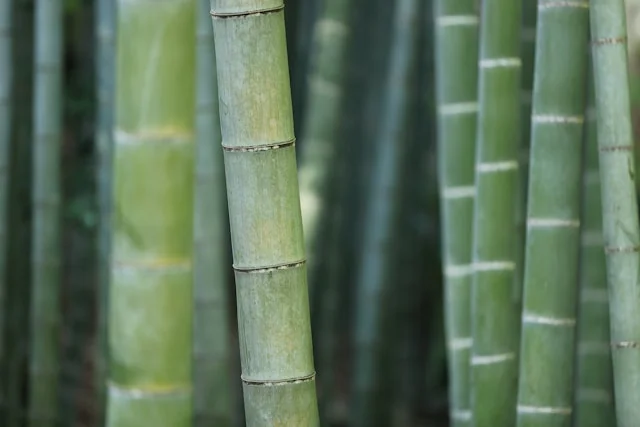
Bamboo has been celebrated for centuries in various cultures for its versatility, strength, and sustainability. In recent years, it has garnered increasing attention in the realms of construction and manufacturing due to its eco-friendly properties and remarkable growth rate. As we look toward the future, several trends and developments highlight bamboo’s potential to revolutionize sustainable practices. Let’s explore the latest advancements and trends shaping the future of bamboo in construction and manufacturing. Why Bamboo? Sustainable Growth and Harvesting One of bamboo’s most compelling features is its rapid growth rate. Unlike traditional hardwoods that can take decades to mature, bamboo reaches full maturity in just three to five years. This fast growth cycle makes it a highly renewable resource. Additionally, bamboo can be harvested without killing the plant, allowing for continuous growth and minimal soil erosion. Carbon Sequestration Bamboo is a champion when it comes to carbon sequestration. It absorbs more carbon dioxide and releases more oxygen compared to many other plants. This ability to capture carbon efficiently makes bamboo a valuable tool in combating climate change. Strength and Durability Despite its lightweight nature, bamboo boasts an impressive strength-to-weight ratio. It has been used in construction for millennia, proving its durability and resilience. Modern treatments and engineering techniques have further enhanced bamboo’s potential, making it suitable for a wide range of applications. Trends in Bamboo Construction Bamboo Architecture Architects worldwide are embracing bamboo for its aesthetic and structural qualities. Innovative designs are incorporating bamboo into both traditional and contemporary architecture. Bamboo’s natural beauty and flexibility allow for creative, sustainable building solutions that stand out visually and functionally. Prefabricated Bamboo Structures Prefabrication is gaining traction in the construction industry, and bamboo is no exception. Prefabricated bamboo panels and modules can be mass-produced, reducing construction time and labor costs. These structures are not only sustainable but also highly efficient, providing a viable alternative to conventional building materials. Bamboo in Urban Planning Urban planners are recognizing bamboo’s potential in creating green, sustainable cities. Bamboo can be used for constructing public spaces, walkways, and even urban furniture. Its natural aesthetic and environmental benefits make it an ideal choice for integrating nature into urban environments. Innovations in Bamboo Manufacturing Advanced Bamboo Composites Research and development in bamboo composites are yielding exciting results. Advanced bamboo composites, made by combining bamboo fibers with resins and other materials, offer enhanced strength and durability. These composites are being used in various industries, from automotive to aerospace, showcasing bamboo’s versatility. Bamboo Textiles The textile industry is witnessing a bamboo revolution. Bamboo fibers are being transformed into soft, durable, and eco-friendly fabrics. These textiles are not only sustainable but also possess natural antibacterial and moisture-wicking properties, making them ideal for clothing and home textiles. Bamboo-Based Bioplastics With the growing concern over plastic pollution, bamboo-based bioplastics are emerging as a sustainable alternative. These bioplastics are biodegradable and have a lower environmental impact compared to traditional plastics. As technology advances, bamboo bioplastics could replace conventional plastics in various applications, from packaging to consumer goods. The Future Outlook The future of bamboo in construction and manufacturing looks promising. With ongoing research and innovation, bamboo is set to play a crucial role in sustainable development. Here are some potential future scenarios: Integration with Smart Technologies The integration of bamboo with smart technologies could lead to the development of intelligent, sustainable structures. Smart sensors and monitoring systems embedded in bamboo materials could enhance building performance and maintenance. Expansion into New Markets As awareness of bamboo’s benefits grows, new markets and industries are likely to adopt bamboo-based solutions. From electronics to renewable energy, bamboo’s versatility could drive its adoption in diverse fields. Enhanced Environmental Policies Governments and organizations are increasingly promoting sustainable practices. Enhanced environmental policies and incentives could boost the adoption of bamboo in construction and manufacturing, supporting a greener future. Conclusion Bamboo’s remarkable properties and sustainability make it a powerful ally in the quest for greener construction and manufacturing practices. As innovations continue to emerge, bamboo is poised to revolutionize various industries, offering eco-friendly solutions that align with the goals of sustainable development. Embracing bamboo today could pave the way for a more resilient and environmentally conscious tomorrow.
Bamboo Around the World: A Pillar of Culture and Tradition
Bamboo, a versatile and fast-growing grass, is more than just a plant. It’s a symbol of resilience, adaptability, and has woven itself into the cultural fabric of societies across the globe for millennia. From towering scaffolding in Southeast Asia to delicate flutes in Japan, bamboo’s presence is undeniable. Let’s embark on a journey to explore the cultural significance and traditional uses of bamboo around the world. Asia: The Enduring Embrace of Bamboo China: A Legacy of Sustainability China boasts a rich history of bamboo utilization, evident in ancient texts dating back to the 4th millennium BCE. Here, bamboo is not just a material, it’s a way of life. [Bamboo as a valuable resource and its utilization in historical and modern-day China] Construction, furniture, tools, utensils, and even traditional medicine all rely on bamboo. The iconic scaffolding used in China’s historic building projects exemplifies bamboo’s strength and versatility. Japan: Finding Harmony with Nature In Japan, bamboo embodies the essence of wabi-sabi, the appreciation of imperfection and impermanence. Bamboo’s natural beauty and flexibility are celebrated in various art forms like ikebana (flower arrangement) and basket weaving. The soothing sounds of the shakuhachi flute, crafted from bamboo, resonate with Japanese culture. [From ancient times to modern day: exploring the many uses of bamboo in our daily lives] India: A Deeply Rooted Tradition India’s connection with bamboo stretches back to the Vedic age. [Socio -cultural and Management Significance of Bamboos in Indian heritage and tradition] It features prominently in ancient texts and is used for construction, utensils, musical instruments like the bansuri, and even religious ceremonies. Certain communities revere bamboo groves, attributing them with spiritual significance. Beyond Asia: A Global Embrace Africa: A Source of Strength and Sustenance Africa has a long-standing tradition of using bamboo for construction, furniture, and tools. In some regions, bamboo shoots are a valuable food source. The intricate weaving techniques employed by African artisans create beautiful and functional baskets, mats, and other items. South America: A Symbol of Unity and Diversity In South America, bamboo plays a vital role in the lives of indigenous communities. It’s used for building houses, crafting weapons, and creating musical instruments like panpipes. The Yanomami people of the Amazon rainforest even use bamboo to construct elaborate communal structures. Beyond Borders: A Unifying Material Bamboo transcends cultural boundaries. Its rapid growth and eco-friendly nature make it a sustainable alternative to traditional materials. The global bamboo industry is flourishing, with applications ranging from clothing and flooring to bicycles and even high-rise buildings. Cultural Significance: More Than Just Utility Symbolism and Mythology Bamboo features prominently in various cultures’ myths and legends. In China, it symbolizes longevity and resilience. Japanese folklore associates bamboo with strength and flexibility. Across Southeast Asia, bamboo shoots represent new beginnings and prosperity. Religious and Spiritual Connections Many cultures hold bamboo in high religious regard. In Hinduism, bamboo represents purity and is used in rituals. Certain Buddhist temples in Southeast Asia are constructed entirely from bamboo. In some indigenous communities, bamboo groves are considered sacred spaces. Art and Music: A Canvas for Creativity The natural beauty and versatility of bamboo make it a favorite material for artisans. Asian cultures have a rich tradition of bamboo art, from intricate basket weaving to delicate paintings on bamboo strips. The mellow tones of bamboo flutes resonate in music traditions across the globe. The Future of Bamboo: Sustainable Solutions As the world grapples with environmental challenges, bamboo emerges as a beacon of hope. Its rapid growth and ability to regenerate make it a highly sustainable resource. The bamboo industry is constantly innovating, with new applications being developed all the time. Environmental Benefits Bamboo forests play a crucial role in soil conservation and preventing erosion. They also act as carbon sinks, helping to mitigate climate change. The growing awareness of bamboo’s sustainability has led to a surge in its use for eco-friendly products. Economic Opportunities The bamboo industry presents a significant economic opportunity, particularly for developing nations. Bamboo cultivation can create jobs, generate income for rural communities, and promote sustainable development. A Material for a Greener Future Bamboo’s cultural significance, traditional uses, and sustainable properties make it a valuable resource for the future. By harnessing its potential, we can create a more harmonious relationship with the environment and build a more sustainable future. Conclusion Bamboo is more than just a plant; it’s a cultural touchstone woven into the fabric of societies worldwide. From the towering structures of China to the delicate melodies of Japanese flutes, bamboo’s presence transcends borders and speaks to the ingenuity and adaptability of humankind. As we navigate the challenges of the 21st century, bamboo emerges as a beacon of hope. Its rapid growth, versatility, and environmentally friendly nature make it a critical player in building a more sustainable future. By embracing bamboo’s cultural significance, traditional uses, and innovative potential, we can create a world where human ingenuity thrives in harmony with the environment. Let’s continue to learn from the wisdom of past generations and explore the boundless possibilities this remarkable plant offers. After all, the future of bamboo is not just about utility – it’s about fostering a deeper connection with nature and building a more resilient tomorrow.
Bamboo Furniture: Stylish, Functional, and Environmentally Friendly

In today’s world, where sustainability has become a pivotal concern, eco-conscious consumers are seeking alternatives to traditional furniture materials. Among these alternatives, bamboo has emerged as a frontrunner, heralding a new era of eco-chic design in modern interiors. Let’s delve into the transformative impact of sustainable bamboo furniture on contemporary interior design. The Sustainability of Bamboo Bamboo, often touted as the world’s most renewable resource, holds remarkable eco-friendly credentials. Unlike hardwood trees that take decades to mature, bamboo is a rapidly renewable grass that can be harvested in as little as three to five years. Its quick growth rate and ability to thrive without the need for pesticides or fertilizers make it inherently sustainable. Moreover, bamboo’s extensive root system helps prevent soil erosion and contributes to carbon sequestration, making it a vital ally in the fight against climate change1. Versatility in Design One of the most compelling aspects of bamboo furniture is its versatility in design. From sleek and modern to rustic and traditional, bamboo can be crafted into an array of styles to suit diverse aesthetic preferences. Whether it’s a minimalist bamboo coffee table, an intricately woven bamboo chair, or a statement bamboo shelving unit, the design possibilities are virtually endless. Furthermore, bamboo’s natural grain and warm tones add a touch of organic beauty to any interior space, creating a harmonious blend of style and sustainability. Durability and Strength Contrary to common misconceptions, bamboo furniture is not only sustainable but also exceptionally durable. Thanks to its natural strength and resilience, bamboo furniture rivals traditional hardwoods in terms of longevity and performance. When properly treated and finished, bamboo furniture exhibits impressive resistance to warping, cracking, and moisture damage, making it an ideal choice for high-traffic areas such as living rooms, dining rooms, and even outdoor patios. As a result, investing in bamboo furniture is not only an eco-conscious choice but also a practical one that promises years of use and enjoyment. Environmental Benefits Beyond its sustainability and aesthetic appeal, bamboo furniture offers a host of environmental benefits that further underscore its eco-chic status. As a fast-growing plant, bamboo requires minimal water and energy inputs compared to conventional wood species, reducing the ecological footprint of furniture production. Additionally, bamboo forests play a crucial role in biodiversity conservation, providing habitat for a wide range of plant and animal species1. Creating an Eco-Friendly Future with Bamboo The rise of sustainable bamboo furniture marks an exciting shift in the world of interior design, where style and sustainability converge to create spaces that are both aesthetically pleasing and environmentally responsible.
Bamboo Innovations: Discovering New Technologies and Applications for a Sustainable Future

Bamboo, a fast-growing and versatile giant grass, has been a cornerstone of human civilization for millennia. From humble beginnings in construction and tools, bamboo’s potential is exploding thanks to cutting-edge technologies. This surge in innovation is unlocking a new era of sustainable applications, making bamboo a key player in building a greener future. Why Bamboo? A Sustainable Powerhouse Bamboo’s unique properties make it an ideal candidate for sustainable innovation: Bamboo Innovations: A Glimpse into the Future Let’s delve into some of the exciting technological advancements pushing the boundaries of bamboo’s capabilities: Beyond the Obvious: Unveiling Unexpected Applications The world of bamboo innovation extends far beyond construction and textiles. Here are some groundbreaking applications on the horizon: The Road Ahead: Challenges and Opportunities Despite the exciting advancements, there are challenges to overcome: Embracing a Greener Future with Bamboo The potential of bamboo innovation is undeniable. By overcoming challenges and fostering collaboration between researchers, engineers, and entrepreneurs, we can unlock a future where bamboo plays a vital role in sustainable development. From building eco-friendly homes to creating innovative bio-products, bamboo offers a pathway to a greener future.
Bamboo Farming: A Promising Industry for Sustainable Agriculture
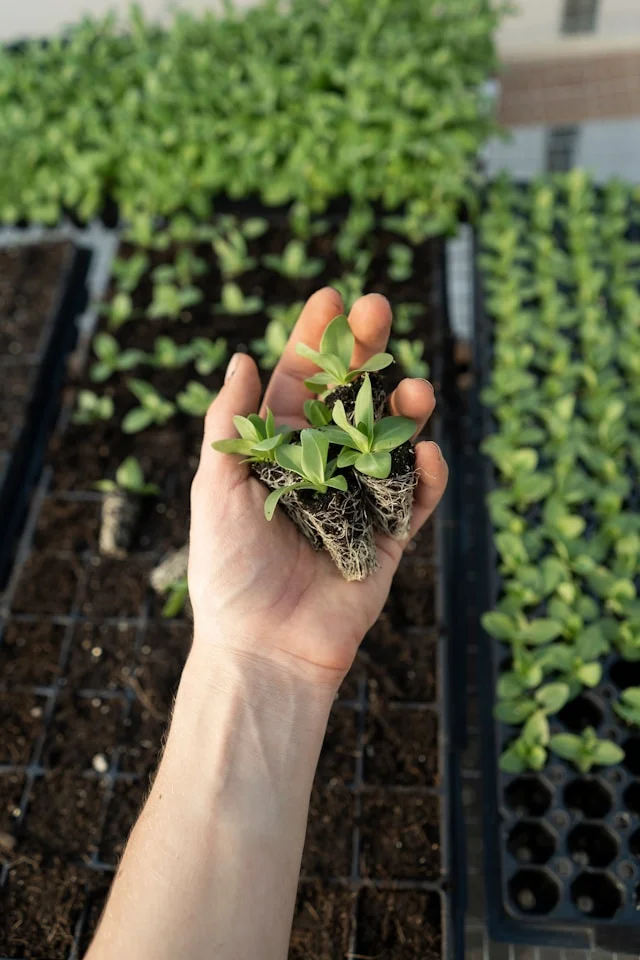
Discover the potential of bamboo farming – a sustainable solution for agriculture. With its rapid growth, versatility, and environmental benefits, bamboo offers a promising opportunity for farmers and industries alike. Explore how bamboo cultivation can drive economic growth while promoting ecological balance.
The Environmental Impact of Bamboo: How Choosing Bamboo Products Helps Combat Climate Change

Bamboo is emerging as a powerful ally in the fight against climate change, thanks to its rapid growth, carbon sequestration abilities, and minimal environmental impact. From flooring and textiles to paper and kitchenware, bamboo products offer sustainable alternatives to traditional materials, reducing deforestation and pollution. However, responsible harvesting and eco-friendly manufacturing are crucial to maximize its benefits. By choosing bamboo, consumers can significantly lower their carbon footprint and support a greener future. Discover how this versatile plant can play a pivotal role in creating a more sustainable world.