
Bamboo Barrier: A Green Solution to Landslides on Gap Road

Landslides have been a persistent threat to the Gap Road stretch, posing significant risks to both human life and property. In a promising development, the Assembly Committee on Environment has directed the concerned departments and the National Highways Authority of India (NHAI) to explore a nature-based solution: planting bamboo along the vulnerable areas. This innovative proposal aims to prevent future landslides while simultaneously addressing the food security concerns of elephants in the region. The Problem: Landslides on Gap Road Gap Road, notorious for its susceptibility to landslides, has been a cause for concern for years. The road’s location, coupled with the region’s geological conditions, makes it particularly vulnerable to soil erosion and slope instability. Landslides on this stretch have led to loss of life, property damage, and disruptions in transportation, impacting the lives of countless people. The Bamboo Solution: A Green Shield The proposed plan to plant bamboo along the Gap Road stretch is a commendable step towards mitigating the landslide risk. Bamboo, known for its robust root system, has the potential to reinforce the soil and prevent erosion. The deep penetration of bamboo roots into the soil can significantly enhance the soil’s stability, acting as a natural barrier against landslides. Moreover, the initiative extends beyond landslide prevention. By introducing bamboo and reed bamboo, the project aims to create a sustainable food source for elephants in the region. This dual benefit underscores the holistic approach of the proposal. A Collaborative Effort The successful implementation of this project requires a collaborative effort involving multiple stakeholders. The Forest Department, with its expertise in ecology and wildlife conservation, will play a crucial role in identifying suitable bamboo species and ensuring their proper cultivation. The Social Forestry wing can contribute to the project by providing technical guidance and support. The Kerala State Biodiversity Board’s role will be vital in assessing the environmental impact and ensuring the project aligns with biodiversity conservation goals. NHAI’s involvement is essential for the execution of the project along the road stretch. Scientific Study and Implementation Before embarking on a large-scale plantation, NHAI will conduct a comprehensive scientific study to evaluate the feasibility and effectiveness of the bamboo barrier. This study will involve soil analysis, slope stability assessment, and identification of suitable bamboo species. Once the study yields positive results, a detailed project plan will be formulated, outlining the plantation areas, the required quantity of bamboo saplings, and the timeline for implementation. Benefits Beyond Landslide Prevention The bamboo plantation project offers several additional benefits: Challenges and Considerations While the bamboo plantation project holds immense promise, it is essential to address potential challenges and considerations: Conclusion The proposal to plant bamboo along the Gap Road stretch is a visionary step towards addressing the landslide problem while contributing to ecological restoration and community development. By combining scientific expertise, collaborative efforts, and community participation, this project can become a model for sustainable land management and disaster risk reduction. As the project progresses, it is essential to monitor its impact closely and make necessary adjustments to ensure its long-term success.
Living Root Bridges of Meghalaya: Nature’s Marvel or Human Ingenuity?
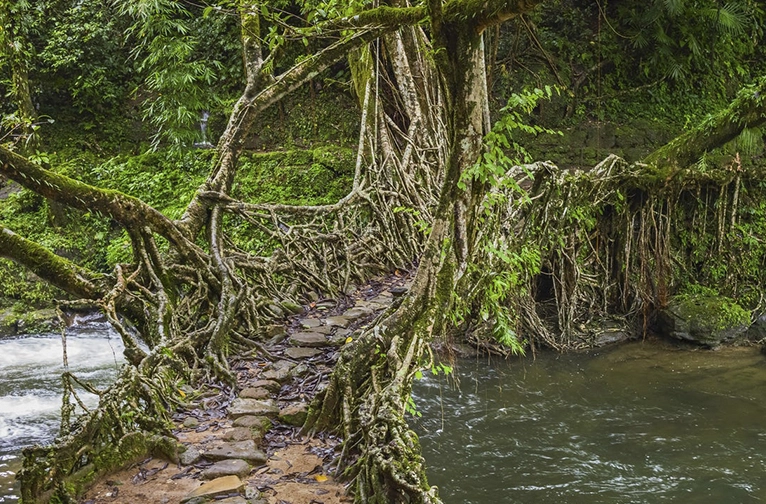
Nestled amidst the lush green hills of Meghalaya, India, lies a marvel of nature and human ingenuity: the living root bridges. These extraordinary structures, crafted over centuries by the indigenous Khasi and Jaintia tribes, are a testament to their deep-rooted connection with the environment. With their inclusion on the tentative UNESCO World Heritage Site list, these bridges have garnered global attention, captivating the hearts of nature enthusiasts and explorers alike. The Enigma of Living Root Bridges How is it possible that bridges can grow from the earth? The answer lies in the ingenious techniques employed by the local tribes. By carefully guiding the aerial roots of rubber fig trees (Ficus elastica) over bamboo scaffolds, they cultivate living, breathing bridges that become stronger and more resilient with time. These bridges are not merely pathways; they are intricate ecosystems that support biodiversity, providing homes for various flora and fauna. A Symphony of Nature and Human Effort The construction of a living root bridge is a multi-generational endeavor, requiring patience, skill, and a deep understanding of the forest’s dynamics. The community plays a vital role in nurturing these bridges, ensuring their longevity and sustainability. It’s a testament to the harmonious coexistence of humans and nature, a philosophy deeply ingrained in the culture of Meghalaya. Beyond Aesthetics: The Ecological Significance While the living root bridges are undoubtedly breathtaking, their ecological importance cannot be overstated. These bridges serve as corridors for wildlife, facilitating movement through the dense forests. They also contribute to soil conservation, preventing erosion and preserving the delicate ecosystem. Moreover, the bridges play a crucial role in maintaining water quality by filtering pollutants and regulating water flow. A Cultural Tapestry The living root bridges are more than just engineering marvels; they are an integral part of the local culture. The Khasi and Jaintia tribes have a profound reverence for nature, and the bridges symbolize their harmonious relationship with the environment. The construction and maintenance of these bridges are often accompanied by traditional rituals and ceremonies, reinforcing their cultural significance. Tourism and Conservation The growing popularity of living root bridges has led to an influx of tourists, eager to witness this natural wonder firsthand. While tourism can generate economic benefits for the local community, it’s essential to manage it sustainably to protect the bridges and their surroundings. Responsible tourism practices, such as guided tours, eco-lodges, and community-based initiatives, can help ensure the long-term preservation of these precious ecosystems. Challenges and Opportunities Despite their resilience, living root bridges face challenges such as climate change, deforestation, and increased foot traffic. It is imperative to develop comprehensive conservation plans to address these threats and safeguard the future of these iconic structures. Collaboration between government agencies, local communities, and environmental organizations is crucial for the successful implementation of conservation efforts. Conclusion The living root bridges of Meghalaya stand as a testament to the ingenuity of the human spirit and the power of nature. These remarkable structures are not only architectural marvels but also vital components of the region’s biodiversity and cultural heritage. As we marvel at their beauty, let us also commit to preserving these precious ecosystems for generations to come.
Bamboo Glasses: A Revolutionary Leap in Eco-Friendly Architecture

The world of architecture and design is constantly evolving, with a growing emphasis on sustainability and eco-friendliness. In recent years, we’ve witnessed a surge in innovative materials and techniques aimed at reducing our environmental impact. Today, I’m excited to share a groundbreaking development that promises to reshape the landscape of sustainable design: bamboo glasses. The Magic Behind Bamboo Glasses Traditionally, bamboo has been celebrated for its strength, versatility, and rapid growth, making it a popular choice for sustainable construction and interior design elements. However, its opaque nature has limited its application in areas requiring transparency, such as windows or ceilings. Enter a revolutionary new process involving the bleaching of linen. By combining this technique with bamboo, scientists and designers have achieved a remarkable breakthrough: transforming bamboo into a transparent material. This innovation preserves the inherent beauty of bamboo while enhancing its light-transmitting properties, opening up endless possibilities for architects and interior designers. The Benefits of Bamboo Glasses Design Possibilities with Bamboo Glasses The potential applications of bamboo glasses are vast and exciting. Here are a few ideas to inspire your imagination: Challenges and Future Developments While the development of bamboo glasses is undoubtedly a significant step forward, there are still challenges to overcome. The production process needs to be optimized for cost-effectiveness and scalability. Additionally, research into the long-term durability and performance of bamboo glasses in various climatic conditions is ongoing. Despite these challenges, the future of bamboo glasses looks promising. As technology advances and production costs decrease, we can expect to see a wider adoption of this innovative material in the construction and design industry. Conclusion The creation of bamboo glasses marks a pivotal moment in the evolution of sustainable design. By combining the natural beauty and sustainability of bamboo with cutting-edge technology, we have unlocked a new frontier of possibilities. As we strive for a greener and more sustainable future, bamboo glasses offer a compelling solution for architects, designers, and environmentally conscious individuals alike. Let us embrace this innovation and work together to create a world where sustainable design is the norm, not the exception.
Bamboo Furniture: Stylish, Functional, and Environmentally Friendly
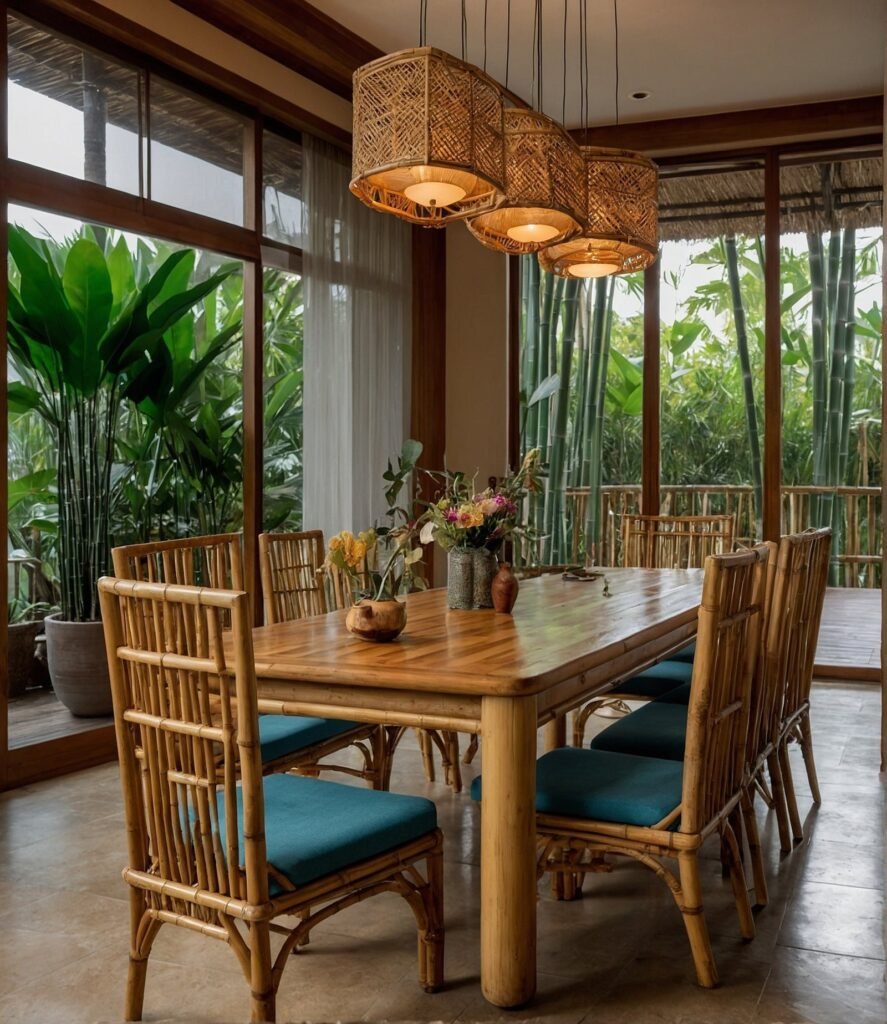
In today’s world, where sustainability has become a pivotal concern, eco-conscious consumers are seeking alternatives to traditional furniture materials. Among these alternatives, bamboo has emerged as a frontrunner, heralding a new era of eco-chic design in modern interiors. Let’s delve into the transformative impact of sustainable bamboo furniture on contemporary interior design. The Sustainability of Bamboo Bamboo, often touted as the world’s most renewable resource, holds remarkable eco-friendly credentials. Unlike hardwood trees that take decades to mature, bamboo is a rapidly renewable grass that can be harvested in as little as three to five years. Its quick growth rate and ability to thrive without the need for pesticides or fertilizers make it inherently sustainable. Moreover, bamboo’s extensive root system helps prevent soil erosion and contributes to carbon sequestration, making it a vital ally in the fight against climate change1. Versatility in Design One of the most compelling aspects of bamboo furniture is its versatility in design. From sleek and modern to rustic and traditional, bamboo can be crafted into an array of styles to suit diverse aesthetic preferences. Whether it’s a minimalist bamboo coffee table, an intricately woven bamboo chair, or a statement bamboo shelving unit, the design possibilities are virtually endless. Furthermore, bamboo’s natural grain and warm tones add a touch of organic beauty to any interior space, creating a harmonious blend of style and sustainability. Durability and Strength Contrary to common misconceptions, bamboo furniture is not only sustainable but also exceptionally durable. Thanks to its natural strength and resilience, bamboo furniture rivals traditional hardwoods in terms of longevity and performance. When properly treated and finished, bamboo furniture exhibits impressive resistance to warping, cracking, and moisture damage, making it an ideal choice for high-traffic areas such as living rooms, dining rooms, and even outdoor patios. As a result, investing in bamboo furniture is not only an eco-conscious choice but also a practical one that promises years of use and enjoyment. Environmental Benefits Beyond its sustainability and aesthetic appeal, bamboo furniture offers a host of environmental benefits that further underscore its eco-chic status. As a fast-growing plant, bamboo requires minimal water and energy inputs compared to conventional wood species, reducing the ecological footprint of furniture production. Additionally, bamboo forests play a crucial role in biodiversity conservation, providing habitat for a wide range of plant and animal species1. Creating an Eco-Friendly Future with Bamboo The rise of sustainable bamboo furniture marks an exciting shift in the world of interior design, where style and sustainability converge to create spaces that are both aesthetically pleasing and environmentally responsible.
Bamboo Farming: A Promising Industry for Sustainable Agriculture
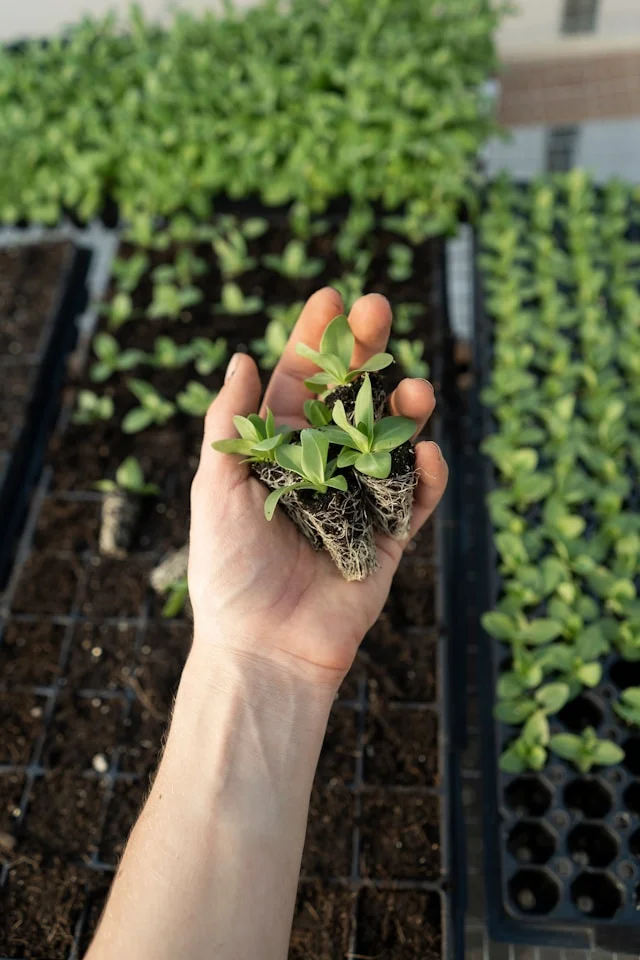
Discover the potential of bamboo farming – a sustainable solution for agriculture. With its rapid growth, versatility, and environmental benefits, bamboo offers a promising opportunity for farmers and industries alike. Explore how bamboo cultivation can drive economic growth while promoting ecological balance.
Bamboo: A Renewable Resource for Sustainable Living

Bamboo, a fast-growing and eco-friendly plant, offers numerous environmental benefits like carbon sequestration, soil erosion control, and water conservation. Its versatility makes it ideal for sustainable living, with applications in construction, furniture, textiles, and kitchenware. Bamboo supports biodiversity, enhances sustainable agriculture, and provides renewable energy.
Exploring the Beauty of Bamboo Villas: Design Inspirations and Architectural Wonders
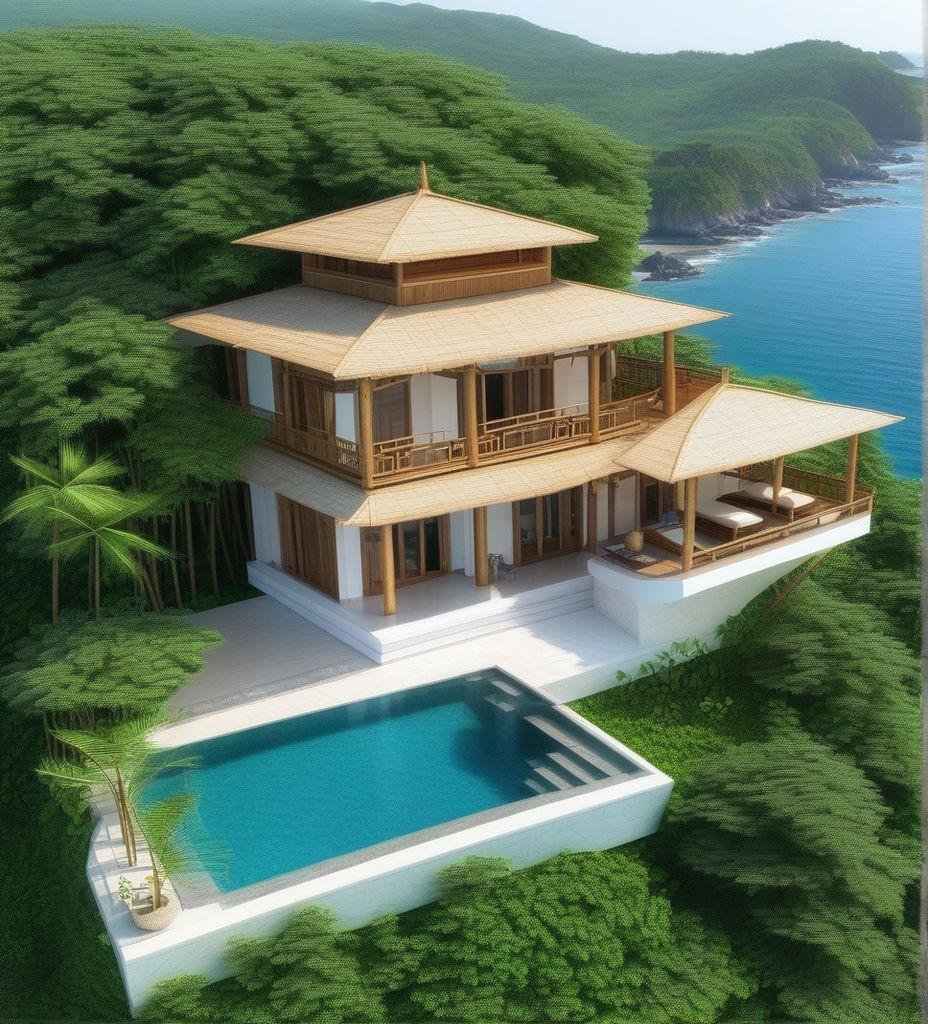
Bamboo, a symbol of strength and resilience, has been a vital part of construction and design for centuries, especially in Asian cultures. The unique combination of its aesthetic appeal and environmental sustainability has made it a favorite among architects and designers around the globe. One of the most remarkable applications of this versatile material is in the construction of bamboo villas. These structures are not only architectural marvels but also represent a harmonious blend of nature and modern living. In this article, we will delve into the beauty of bamboo villas, exploring design inspirations and architectural wonders that make them stand out. The Appeal of Bamboo in Architecture 1. Sustainability and Eco-Friendliness Bamboo is one of the fastest-growing plants in the world, making it a highly renewable resource. It can grow up to three feet in a day and reaches maturity in three to five years, compared to traditional hardwoods that can take decades to mature. This rapid growth rate means that bamboo forests can be harvested sustainably without causing deforestation. Moreover, bamboo releases 35% more oxygen into the atmosphere than an equivalent stand of trees, contributing positively to the environment. 2. Strength and Durability Despite its lightweight nature, bamboo is incredibly strong. It has a higher tensile strength than many types of steel, making it an excellent material for construction. Its flexibility allows it to withstand natural calamities such as earthquakes and strong winds, which is why it has been used in regions prone to such events. When treated properly, bamboo can also resist pests and rot, ensuring the longevity of the structures. 3. Aesthetic Versatility Bamboo’s natural look brings a touch of elegance and tranquility to any space. Its texture and color can be incorporated into various design styles, from rustic to contemporary. The versatility of bamboo allows for creative freedom in architectural design, enabling architects to create unique and visually stunning structures. Design Inspirations from Bamboo Villas 1. Traditional Meets Modern One of the most inspiring aspects of bamboo villas is the seamless integration of traditional design elements with modern architecture. Many bamboo villas incorporate traditional thatched roofs and open floor plans that promote natural ventilation and lighting. These elements are combined with modern amenities and sleek designs to create a perfect blend of old and new. 2. Open-Air Living Bamboo villas often feature open-air living spaces that allow residents to connect with nature. Large verandas, open kitchens, and expansive living areas are common, providing a sense of freedom and relaxation. This design not only enhances the aesthetic appeal but also promotes sustainability by reducing the need for artificial lighting and air conditioning. 3. Organic Shapes and Curves Bamboo’s flexibility allows architects to experiment with organic shapes and curves that are difficult to achieve with conventional building materials. Many bamboo villas boast stunning curved roofs, spiral staircases, and flowing lines that mimic the natural environment. These organic shapes create a harmonious balance between the built environment and nature, enhancing the overall appeal of the villas. 4. Eco-Friendly Interiors The use of bamboo is not limited to the structure of the villa; it extends to the interiors as well. Bamboo furniture, flooring, and decorative elements are popular choices for creating a cohesive and eco-friendly design. The natural texture and color of bamboo add warmth and character to the interiors, making the living spaces inviting and comfortable. Architectural Wonders: Notable Bamboo Villas Around the World 1. Green Village, Bali, Indonesia Green Village in Bali is a prime example of how bamboo can be used to create luxurious and sustainable living spaces. Designed by Ibuku, a Bali-based architecture firm, the village consists of several bamboo villas set along the Ayung River. Each villa is uniquely designed, showcasing the versatility and beauty of bamboo. The structures feature open-air living spaces, intricate bamboo craftsmanship, and eco-friendly amenities, making them a perfect blend of luxury and sustainability. 2. The Six Senses Con Dao, Vietnam The Six Senses Con Dao is a luxury resort in Vietnam that features stunning bamboo villas. The resort’s design emphasizes sustainability and harmony with nature, using locally sourced bamboo and other natural materials. The villas offer breathtaking views of the ocean and surrounding landscape, with open-air living spaces and eco-friendly interiors. The resort’s commitment to sustainability extends to its operations, making it a model for eco-friendly luxury. 3. The Alila Villas Uluwatu, Bali, Indonesia Located on a clifftop overlooking the Indian Ocean, the Alila Villas Uluwatu in Bali are a testament to the beauty and versatility of bamboo. Designed by Singapore-based WOHA Architects, the villas feature open-plan living spaces, bamboo screens, and eco-friendly materials. The design emphasizes sustainability and harmony with the natural environment, creating a serene and luxurious retreat. 4. Bamboo House, Costa Rica The Bamboo House in Costa Rica is an architectural marvel that showcases the potential of bamboo in sustainable design. Designed by Benjamin Garcia Saxe, the house features an open-plan layout, large windows, and bamboo interiors. The structure is elevated on stilts to minimize its impact on the landscape, and the use of bamboo and other natural materials creates a harmonious connection with the surrounding environment. 5. The Green School, Bali, Indonesia While not a villa, the Green School in Bali deserves mention for its innovative use of bamboo in architecture. Designed by John Hardy, the school is built entirely from bamboo and other sustainable materials. The open-air classrooms, bamboo bridges, and organic shapes create a unique and inspiring learning environment. The Green School is a testament to the potential of bamboo in creating sustainable and beautiful structures. The Future of Bamboo Architecture 1. Innovations in Bamboo Treatment and Construction Advancements in bamboo treatment and construction techniques are expanding the possibilities for bamboo architecture. New methods of treating bamboo to enhance its durability and resistance to pests are being developed, making it an even more viable option for construction. Additionally, innovative construction techniques such as prefabrication and modular design are making it easier and more cost-effective to build with bamboo. 2. Integration with Modern
The Benefits of Bamboo Construction: Sustainable, Durable, and Eco-Friendly
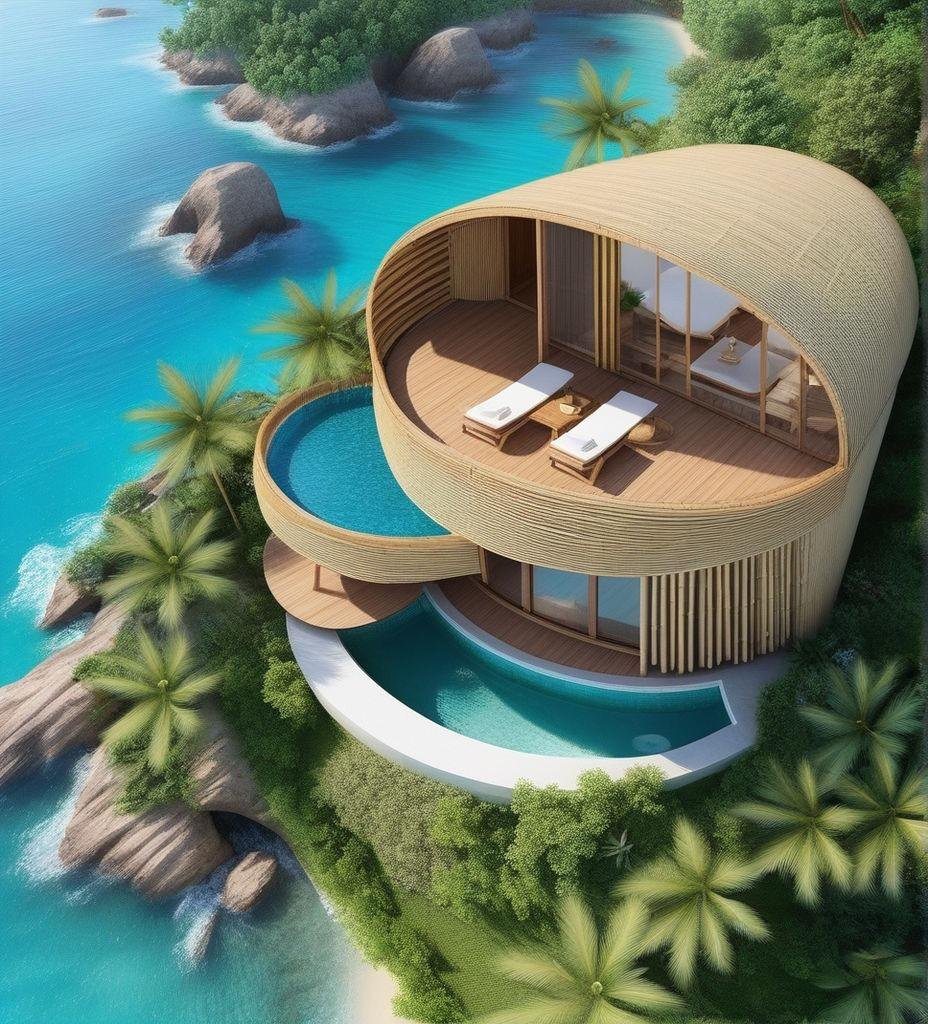
Bamboo, a fast-growing grass, has gained traction as a sustainable building material in recent years. Its versatility and eco-friendly properties make it an attractive option for construction projects worldwide. In this article, we’ll delve into the myriad benefits of bamboo construction, exploring its sustainability, durability, and eco-friendliness. Sustainability of Bamboo Construction: Bamboo is renowned for its sustainability, primarily due to its rapid growth rate and minimal environmental impact. Here’s why bamboo stands out as a sustainable building material: Durability of Bamboo Construction: Despite its lightweight appearance, bamboo is remarkably durable and resilient. Here are some key factors contributing to its durability: Eco-Friendliness of Bamboo Construction: Beyond its sustainability and durability, bamboo construction offers several eco-friendly advantages: Conclusion: In conclusion, bamboo construction offers a multitude of benefits, ranging from sustainability and durability to eco-friendliness. By harnessing the remarkable properties of bamboo, builders can create structures that are not only aesthetically pleasing but also environmentally responsible. As the demand for sustainable building materials continues to rise, bamboo stands out as a versatile and eco-friendly solution for the construction industry. Embracing bamboo construction represents a significant step towards a more sustainable and resilient future.