
Bamboo Furniture: Stylish, Functional, and Environmentally Friendly
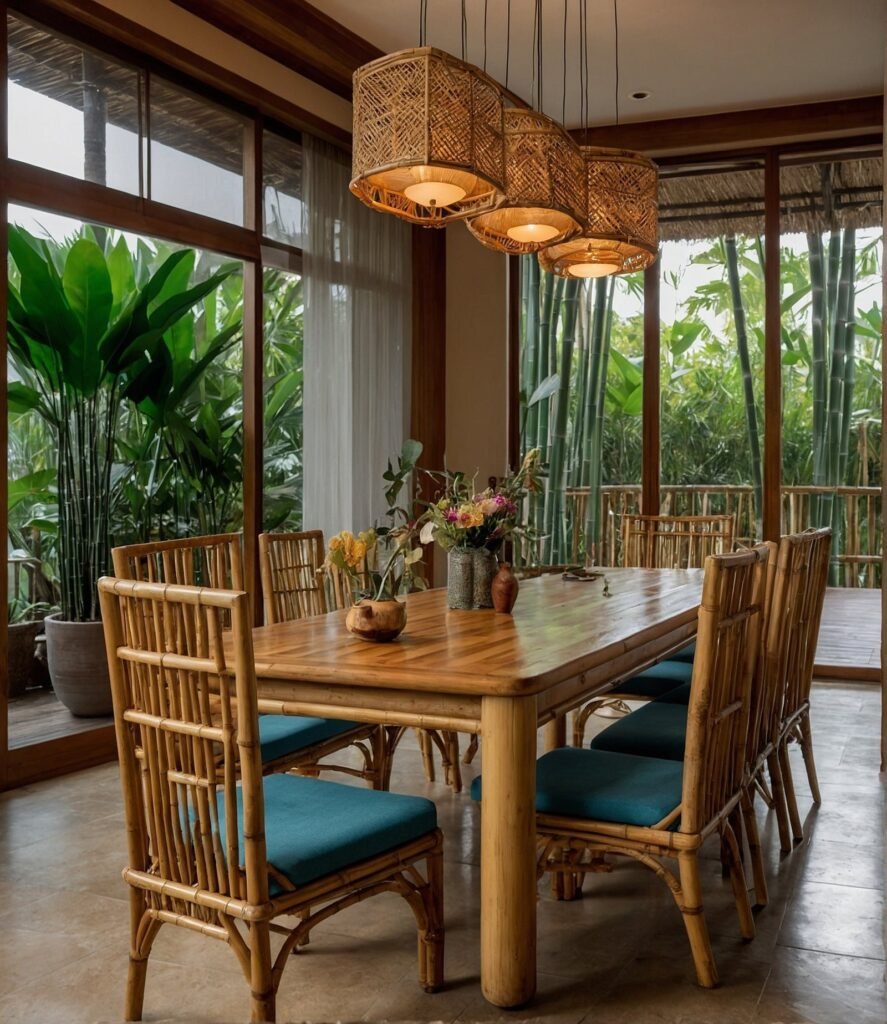
In today’s world, where sustainability has become a pivotal concern, eco-conscious consumers are seeking alternatives to traditional furniture materials. Among these alternatives, bamboo has emerged as a frontrunner, heralding a new era of eco-chic design in modern interiors. Let’s delve into the transformative impact of sustainable bamboo furniture on contemporary interior design. The Sustainability of Bamboo Bamboo, often touted as the world’s most renewable resource, holds remarkable eco-friendly credentials. Unlike hardwood trees that take decades to mature, bamboo is a rapidly renewable grass that can be harvested in as little as three to five years. Its quick growth rate and ability to thrive without the need for pesticides or fertilizers make it inherently sustainable. Moreover, bamboo’s extensive root system helps prevent soil erosion and contributes to carbon sequestration, making it a vital ally in the fight against climate change1. Versatility in Design One of the most compelling aspects of bamboo furniture is its versatility in design. From sleek and modern to rustic and traditional, bamboo can be crafted into an array of styles to suit diverse aesthetic preferences. Whether it’s a minimalist bamboo coffee table, an intricately woven bamboo chair, or a statement bamboo shelving unit, the design possibilities are virtually endless. Furthermore, bamboo’s natural grain and warm tones add a touch of organic beauty to any interior space, creating a harmonious blend of style and sustainability. Durability and Strength Contrary to common misconceptions, bamboo furniture is not only sustainable but also exceptionally durable. Thanks to its natural strength and resilience, bamboo furniture rivals traditional hardwoods in terms of longevity and performance. When properly treated and finished, bamboo furniture exhibits impressive resistance to warping, cracking, and moisture damage, making it an ideal choice for high-traffic areas such as living rooms, dining rooms, and even outdoor patios. As a result, investing in bamboo furniture is not only an eco-conscious choice but also a practical one that promises years of use and enjoyment. Environmental Benefits Beyond its sustainability and aesthetic appeal, bamboo furniture offers a host of environmental benefits that further underscore its eco-chic status. As a fast-growing plant, bamboo requires minimal water and energy inputs compared to conventional wood species, reducing the ecological footprint of furniture production. Additionally, bamboo forests play a crucial role in biodiversity conservation, providing habitat for a wide range of plant and animal species1. Creating an Eco-Friendly Future with Bamboo The rise of sustainable bamboo furniture marks an exciting shift in the world of interior design, where style and sustainability converge to create spaces that are both aesthetically pleasing and environmentally responsible.
Bamboo Innovations: Discovering New Technologies and Applications for a Sustainable Future
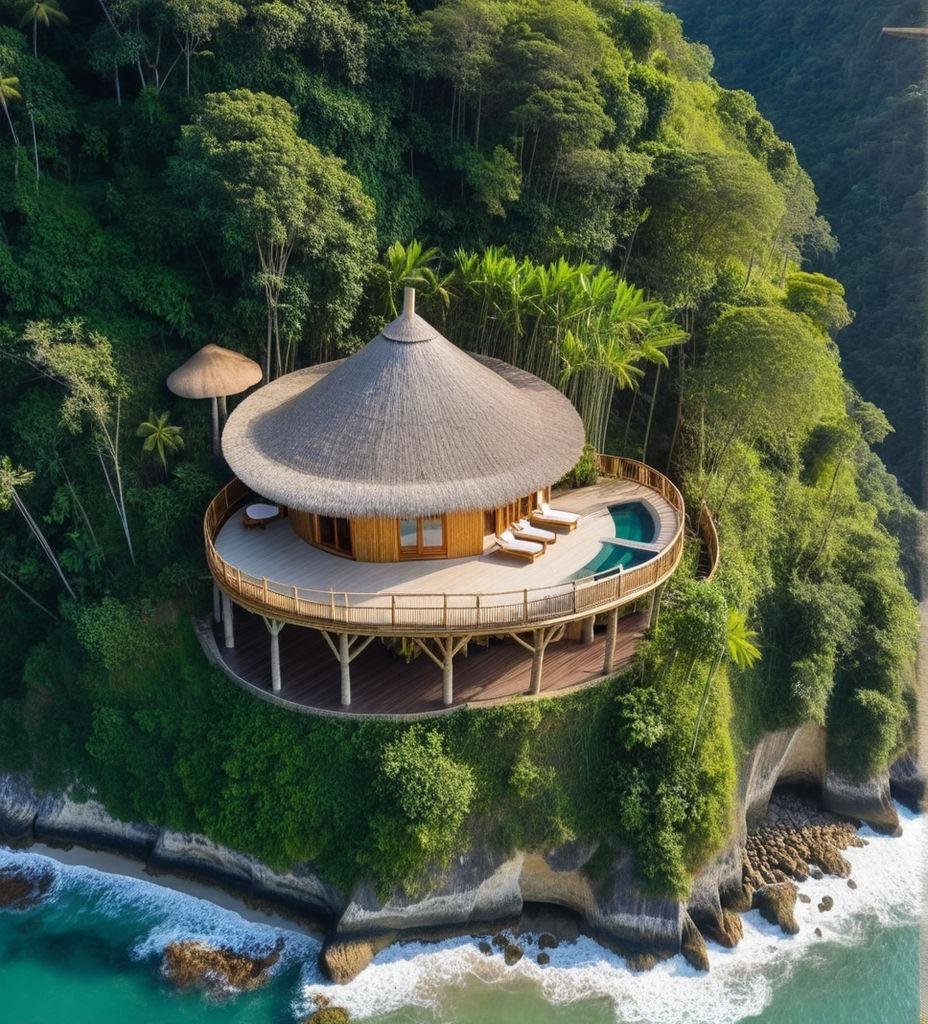
Bamboo, a fast-growing and versatile giant grass, has been a cornerstone of human civilization for millennia. From humble beginnings in construction and tools, bamboo’s potential is exploding thanks to cutting-edge technologies. This surge in innovation is unlocking a new era of sustainable applications, making bamboo a key player in building a greener future. Why Bamboo? A Sustainable Powerhouse Bamboo’s unique properties make it an ideal candidate for sustainable innovation: Bamboo Innovations: A Glimpse into the Future Let’s delve into some of the exciting technological advancements pushing the boundaries of bamboo’s capabilities: Beyond the Obvious: Unveiling Unexpected Applications The world of bamboo innovation extends far beyond construction and textiles. Here are some groundbreaking applications on the horizon: The Road Ahead: Challenges and Opportunities Despite the exciting advancements, there are challenges to overcome: Embracing a Greener Future with Bamboo The potential of bamboo innovation is undeniable. By overcoming challenges and fostering collaboration between researchers, engineers, and entrepreneurs, we can unlock a future where bamboo plays a vital role in sustainable development. From building eco-friendly homes to creating innovative bio-products, bamboo offers a pathway to a greener future.
Bamboo Farming: A Promising Industry for Sustainable Agriculture
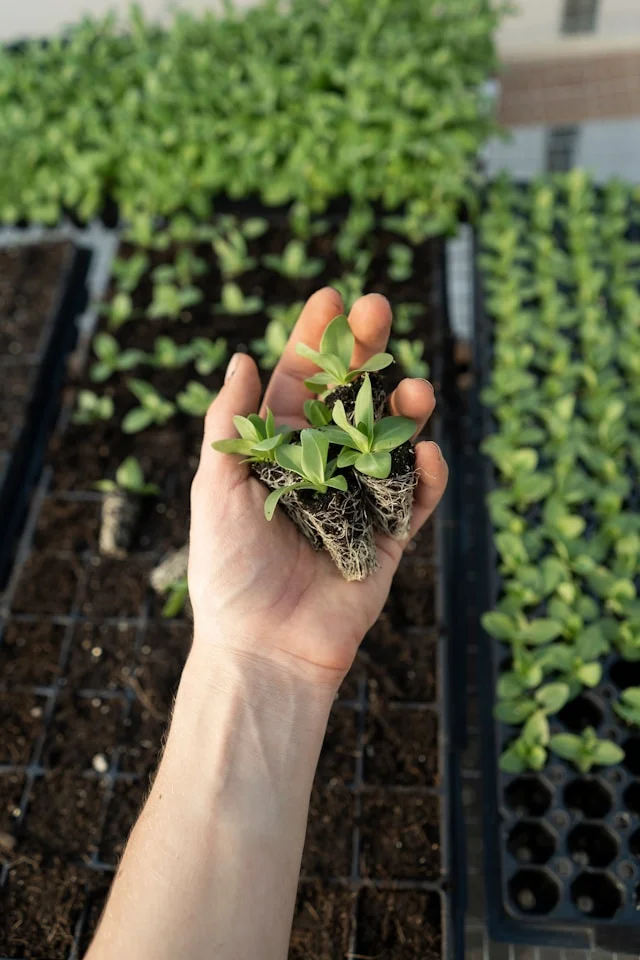
Discover the potential of bamboo farming – a sustainable solution for agriculture. With its rapid growth, versatility, and environmental benefits, bamboo offers a promising opportunity for farmers and industries alike. Explore how bamboo cultivation can drive economic growth while promoting ecological balance.
Bamboo: A Renewable Resource for Sustainable Living

Bamboo, a fast-growing and eco-friendly plant, offers numerous environmental benefits like carbon sequestration, soil erosion control, and water conservation. Its versatility makes it ideal for sustainable living, with applications in construction, furniture, textiles, and kitchenware. Bamboo supports biodiversity, enhances sustainable agriculture, and provides renewable energy.